


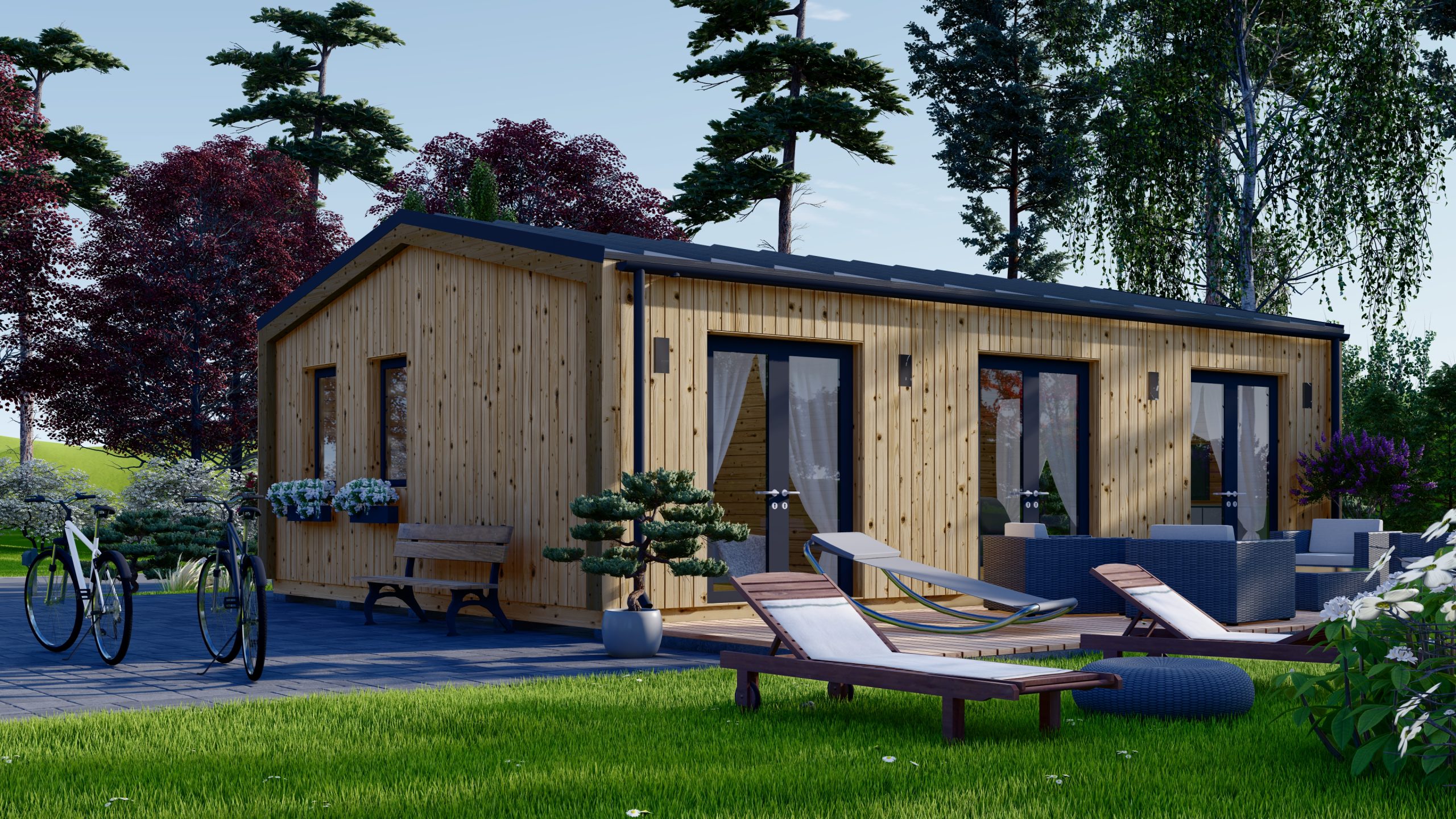
A home built from wood, set among trees, can be both cozy and complex when it comes to buying. For people stepping into this world or looking further ahead, some key points help make sense of how these places are made and what happens once you own one. Think location, materials, costs – and what handling and living in them really means over time.
Right now, the world log cabin market stands at £10.61 billion in 2025. It could reach £11.2 billion by 2026 – according to The Business Research Company. People want homes that run on their own, using less power. These wooden buildings last long, use little energy, and look just as good after decades. Their lasting charm helps explain why more are being built.
Why Log Cabins Are a Smart Investment
A trend grows around log cabins because they offer clear benefits when compared to standard options for housing. Their ability to retain heat or cool makes them just as efficient, sometimes even better, than most modern buildouts using wood frames. Built-in insulation from thick wooden walls helps regulate indoor conditions without extra effort. When new construction includes tight joints and protective coatings, performance climbs by nearly one fifth during normal use periods. That boost translates into lower bills each year – between twenty five and forty – which adds up to twenty five to fifty grand across decades of occupancy.
Beyond just saving energy, log cabins stand out with sturdy builds and timeless charm. Wood walls absorb noise effectively while offering an earthy look that draws people in. Starting from different kinds and price points up to upkeep needs and payment options, this handbook lays it all out clearly so choices feel clearer.
Types of Log Cabins: Finding Your Perfect Match
One way to start looking at log cabins begins by noticing how they’re built. What matters most ties back to two main ideas – how wood gets shaped before use, along with the method used to bring parts together into a full structure.
- Built by hand, these cabins rise from massive, uneven logs – sometimes carved and placed just right where they land. Shaped with care, each piece tells a story of skill, yet demands more money for its character.
- Milled Log Cabins: Logs are machine-processed into uniform shapes and sizes. This method allows for faster construction and often results in a more consistent appearance.
- Kit Cabins: Pre-cut and numbered log components are delivered to the site for assembly. Because they come ready, kits often save money – especially when someone builds them themselves.
- One-off builds let you shape every part – design, choice of materials, unique touches – but come with steep prices and extended waits.
- Timber Frame Hybrids: Combining the strength of a timber frame structure with log walls, these homes offer design versatility and often incorporate large windows.
- Modern Alternatives: Panelized log homes blend traditional log aesthetics with modern panelized construction techniques, offering quicker build times.
Size isn’t fixed when it comes to log cabins – some sit small, others stretch into spacious dwellings, even large retreats; what they cost depends on that spread.
This table compares the four main log cabin construction types to help buyers understand the trade-offs between cost, customization, construction time, and maintenance requirements.
Evaluating Log Quality and Construction Methods
You will find that the longevity and performance of your log cabin depend on the quality of wood and the construction techniques you use. The longevity and performance of your log cabin need wood and building methods. Understanding the quality of wood and the construction techniques matters.
- Wood Species Comparison:
- Cedar: Superior resistance to decay, insects, and moisture, with low shrinkage. Ideal for harsh climates.
- Pine: Pine is cheap. The wood is easy to find. I have found that Pine needs maintenance to protect Pine from weather and bugs because Pine shrinks more.
- Spruce: I have found that Spruce has resistance to decay and fungus; I always kiln‑dry Spruce. Treat Spruce. Spruce is suitable, for the high‑altitude regions where Spruce grows naturally.
- Cypress: Highly durable and resistant to insects, fungus, and decay, especially in moist environments, but more expensive and harder to source.
- Log Profile Types: The log profile types come in square or D‑log shapes. The log profile types change the look the insulation and the ease of building.
- Joinery Techniques: I notice that joinery techniques affect the cabin’s integrity and airtightness. I look for connections.
- Manufacturer Warranties: I notice that when the warranty is strong the manufacturer shows confidence, in the product. The warranty also shows confidence, in the way the product is built.
Working with Builders and Manufacturers
Choose the builder or the right kit supplier, for the log cabin project. I always make sure the builder and the kit supplier are the ones before I start the log cabin project. Checking the builder and checking the kit supplier can stop problems. Checking the builder and checking the kit supplier can keep the quality high. When I choose the builder and the kit supplier carefully the log cabin project finishes on time. The result feels solid.
- Questions to Ask: Inquire about their experience with log homes, specific wood species, joinery techniques, and adherence to building codes. Ask for proof of insurance and licensing.
- Red Flags:
I watch for contracts.
I watch for bids that’re extremely low and sound too good to be true.
I watch for lack of transparency, about the costs or the timelines. - Timeline Expectations: In my experience custom builds can take 12 to 24 months while kit assembly might be 3, to 9 months. Site preparation, finishing and permitting add time to the timeline.
Verifying credentials: I check references. I review projects. I look for certifications or affiliations, with industry organizations.
Conclusion: Bringing Your Log Cabin Dream to Life
The process of getting a log cabin is exciting and involves essential decisions to make for your dream cabin. Choosing the right type of cabin plus kind of wood, choosing the right financing and maintenance. Each one plays a big part.
If you follow the information in this guide, you can create your own buying checklist to ensure all crucial aspects are covered.
With careful planning and the right partners, your log cabin dream can become a wonderful reality! A log cabin home offers the ambience of old-world character, a good feeling, and a connection to nature.
FAQs
What type of wood is best for a log cabin?
Cedar is probably considered the best log cabin wood. It is resistant to decay, insects, and moisture. Furthermore, it has low shrinkage (Katahdin Cedar Log Homes). Cypress is very durable and resistant to pests and rot, especially moist climates, but is often pricier and harder to find (Log Homes Canada). Pine is cheaper and easier to find, but requires a more constant maintenance schedule to protect from the elements and bugs (TrueLog Siding).
Are log cabins worth the investment?
Log cabins keep their value because they tend to attract a niche market. This will be specific people who like the rustic aesthetic (Woodworkers Shoppe). The price per square foot of a log cabin may be higher than that of a house in beautiful locations such as mountains or lakes. Resale value can be enhanced and maintained by several factors including maintenance, construction quality, and location. The demand for log cabin is forecasted to grow from £10.61 billion in 2025 to £11.2 billion in 2026.
