


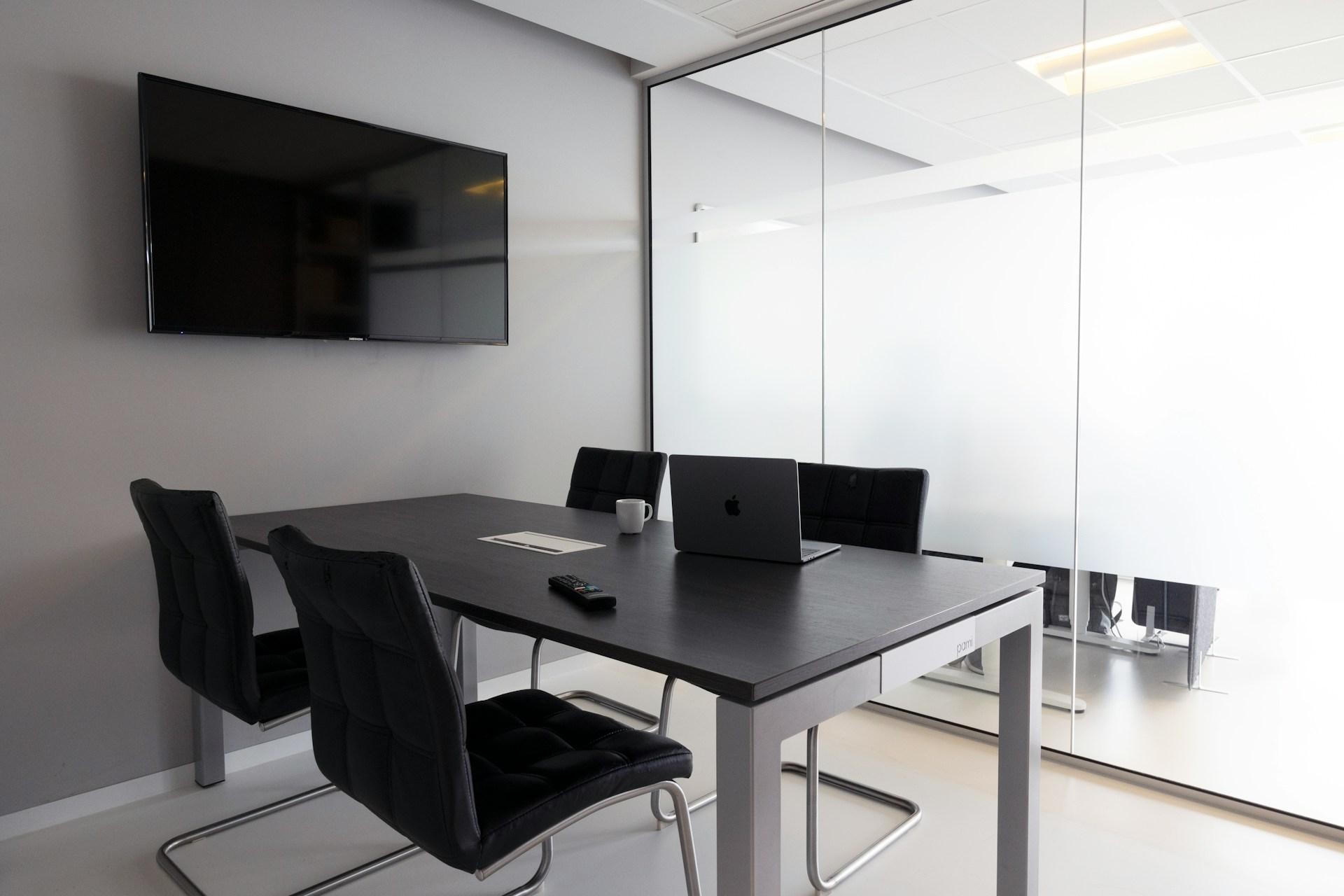
The first office of what would become one of the UK’s largest privately owned energy businesses was, by most accounts, barely an office at all. Colleagues would later describe it as “the broom cupboard”, a small serviced unit in Weybridge, Surrey, with four desks squeezed inside. There was no staff to speak of, no trading floor, no infrastructure. The first employee worked from home. Sanjeev and Arani Kumar Soosaipillai had remortgaged their flat, maxed out their credit cards, and borrowed a substantial sum from the bank to get the company going. “We put everything we had into starting the business,” Sanjeev said. Instead of investing in status, the Soosaipillais built their business around practical decisions, planting small seeds of a business that would grow to be one of the largest fully integrated energy companies in the UK.
Who They Were in 1999
Sanjeev had studied Accounting and Finance with Computing at the University of Kent, where the two had met. Arani, who had also studied Accounting and Finance at the same university, was also working in the Surrey area at the time. Neither had capital to spare on prestige postcodes or long commutes.
The Logic Behind the Location
The choice of Weybridge was, Sanjeev said, essentially logistical. “It was geographically between where we worked at the time,” he said.
Weybridge is situated seventeen miles south-west of central London, within the Borough of Elmbridge in Surrey. The town has drawn major corporate occupiers over the years; Sony’s British headquarters, Procter & Gamble, and JTI all operated from there. With the A3 and junction 10 of the M25 within a few miles, it’s a logistically sound location for a variety of industries.
Four Desks, Two People, No Safety Net
For two founders with no external investment, though, the practical appeal of a serviced tenancy had less to do with location credentials than with what it avoided. Conventional leases required capital and long-term commitment that they did not have. A short-term serviced arrangement meant occupying a professional address without locking the company into fixed costs it could not sustain if the business failed to get off the ground.
Those four desks were, for a time, the full extent of the Prax Group’s physical presence. There was no fallback and, as Sanjeev has described it, no plan beyond making the business work: the flat was remortgaged, the credit cards were at their limit, and the bank loan had been approved on the basis of a projected business plan rather than any track record.
From a Surrey Serviced Office to a Multinational Energy Company
The decisions that shaped the Prax Group’s early years characterised the entire trajectory of the company. From leasing a single filling station in the late 1990s to acquiring refineries, building terminal infrastructure, and expanding across Europe, Asia, the Americas, and southern Africa, each move followed the same underlying discipline: operational logic over aspiration.
At its peak, revenues exceeded $10 billion. The company employed approximately 1,450 people across multiple continents and operated at every stage of the oil value chain, from crude sourcing and refinery production to terminal storage and forecourt retail. The broom cupboard office was like a tiny seed, one that gives little indication of how far its branches will eventually reach. What started in a room barely large enough to turn around in grew, over twenty-five years, into a multinational energy company with revenues in the billions.
