


Walk into almost any busy steel fabrication workshop in the UK right now, and the same conversations keep coming up.
Lead times. Staffing. Costs. Delays.
For many manufacturers, pressure has increased noticeably over the last few years. Jobs are still coming in, particularly across construction, infrastructure and engineering, but delivering projects efficiently is becoming harder work than it used to be.
That is one of the biggest reasons more fabrication companies are investing in laser automation.
Not because it looks impressive. Not because it is the latest trend. In many cases, it is simply because older production methods are slowing businesses down.
Fabricators Are Struggling to Find Skilled Staff
One of the biggest challenges facing the sector is recruitment.
Experienced welders, fabricators and machine operators are becoming increasingly difficult to find, particularly for companies outside major cities. Many long-serving workers have retired over the past decade, and many businesses say there are not enough younger people entering the industry to replace them.
Some workshops are now finding themselves with enough work but not enough people to comfortably handle production.
That creates problems very quickly.
Missed deadlines, overtime costs, and production bottlenecks all start to eat into profitability. Even simple jobs can become difficult to schedule when labour is stretched across multiple projects.
For many firms, automation is becoming less of a luxury investment and more of a practical business decision.
Why Laser Cutting Technology Is Growing So Quickly
Laser cutting has been around for years, but the technology has moved on considerably.
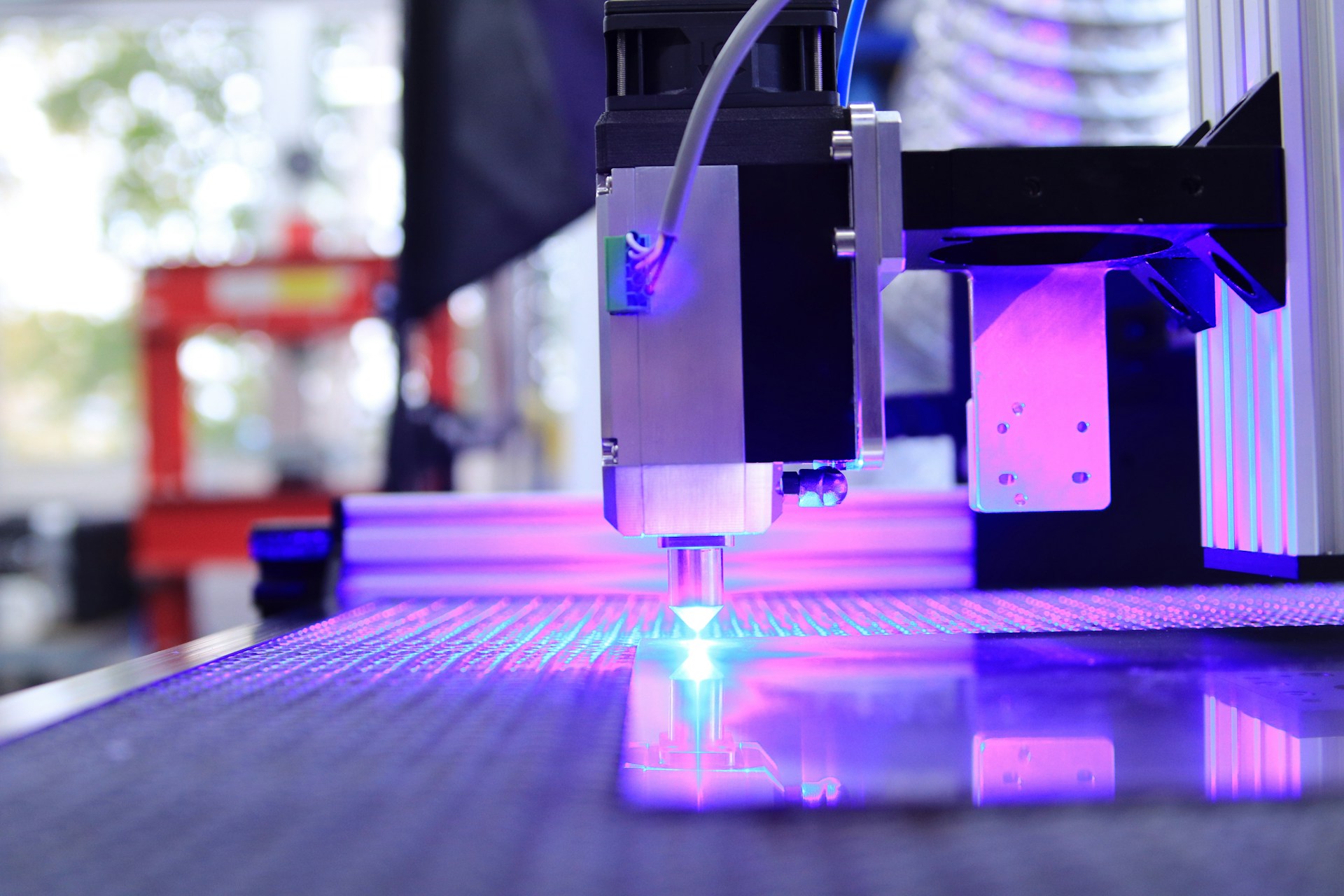
Modern fibre laser cutting machines are faster, more accurate, and far more efficient than many older cutting systems still in use across the industry. They also require less manual handling, which is a major advantage for busy fabrication environments.
That matters because manufacturers are under pressure from both sides. Customers want shorter lead times and competitive pricing, while businesses themselves are trying to keep operating costs under control.
Older cutting processes can slow production down more than people realise. Additional finishing work, inconsistent cuts and longer setup times all add up over the course of a week.
Laser systems help remove some of those problems.
A cleaner cut means less secondary processing. Faster cutting speeds improve throughput. Material waste can also be reduced significantly when jobs are programmed efficiently.
Individually, those savings might not sound huge. Collectively, they can make a big difference to production capacity.
Energy Costs Are Affecting Investment Decisions
Energy prices are another factor pushing manufacturers towards newer technology.
A few years ago, some businesses may have focused purely on the purchase price when investing in machinery. Now, operating costs are being examined far more closely.
That is one reason fibre laser systems continue to gain ground against older CO2 cutting machines.
For workshops processing steel all day, every day, energy efficiency matters. Even relatively modest reductions in power consumption become noticeable over time, especially when combined with faster production speeds and reduced downtime.
Several manufacturers are also looking more carefully at waste reduction than they did previously. Material prices remain high, and inefficient production methods are harder to justify in a competitive market.
Tube Processing Is Becoming More Advanced
Tube laser technology is another area seeing rapid growth.
This is particularly noticeable within structural steel fabrication, agricultural engineering and modular construction, where precision tube processing has become increasingly important.
In the past, producing complex cuts or profiles on tube sections often involved multiple operations and significant manual labour. That slowed production and increased the risk of inconsistencies between components.
Modern tube cutting fibre lasers have changed that completely.
Complex profiles, slots, and angled cuts can now be processed with impressive speed and accuracy, often reducing the preparation required before welding or assembly begins.
For fabrication businesses trying to improve workflow efficiency, that can save a considerable amount of time across larger production runs.
The Industry Is Changing Quickly
There is also a wider shift happening across UK manufacturing.
Businesses are under pressure to become more productive while dealing with labour shortages, rising costs and increasing competition. Many are looking at automation simply because standing still no longer feels like a realistic option.
That does not mean skilled workers are becoming unimportant. Far from it.
Good fabricators, programmers and engineers remain essential. What is changing is how businesses use those skills within production.
Instead of relying heavily on manual processes, more companies are investing in machinery that allows smaller teams to handle larger workloads more efficiently.
And across the steel fabrication sector, that shift is becoming harder to ignore.
For many businesses, laser automation is no longer viewed as future planning. It is already becoming part of day-to-day manufacturing reality.
