


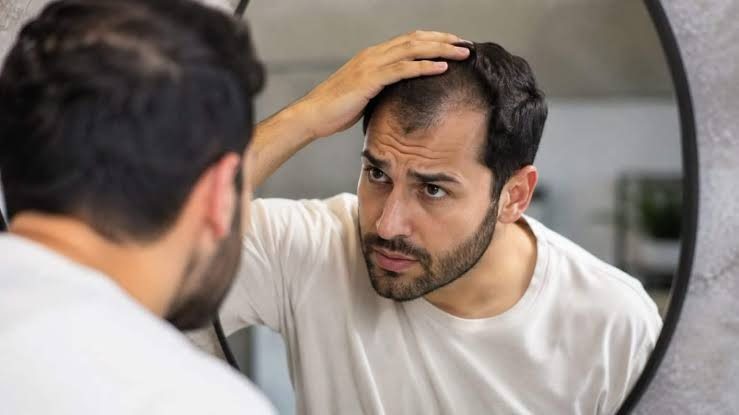
There was a time when most of us saw our own reflection a handful of times a day. Then the pandemic moved the office onto a laptop screen, and for many workers, that became a permanent part of working life. The Office for National Statistics found that 28% of working adults in Great Britain were hybrid working in early 2025, rising to 36% among those aged 30 to 49.
For millions of people, a working week now includes several hours of watching themselves talk. This shift has had an unexpected effect on how people perceive their appearance, particularly their skin, facial features and hairline. Dermatologists have even given this phenomenon a name: Zoom dysmorphia.
What Is Zoom Dysmorphia?
Dr Shadi Kourosh, a dermatologist at Massachusetts General Hospital and Harvard Medical School, coined the term “Zoom dysmorphia” after noticing an unexpected rise in cosmetic consultations early in the pandemic. In a survey she led involving more than 100 board-certified dermatologists, 56% reported an increase in patients seeking cosmetic consultations, and 86% of those said their patients cited video calls as the reason.
The constant exposure to our own faces on screens can make minor imperfections seem more noticeable than they really are. Features that we might rarely think about in everyday life suddenly become the focus of attention during meetings, presentations and online conversations.
Hair can be particularly affected because thinning around the temples, a receding hairline or reduced density at the crown may appear more prominent on a screen than in person.
Why Your Hairline Can Look Different on Camera?
The way a webcam captures your face can influence how you perceive your hair. Camera position, lighting and image distortion all play a role.
A laptop positioned on a desk often points upwards towards the face, potentially exaggerating the forehead and temples. Meanwhile, overhead lighting can shine through thinning hair on the crown, making the scalp more visible than it would be under softer, more balanced lighting.
There is also the issue of familiarity. A mirror shows a reversed image of your face, whereas many video calls display an image that looks different from the reflection you are accustomed to seeing. This subtle change can make familiar features appear unusual.
The International Society of Hair Restoration Surgery (ISHRS) highlighted this trend in its 2022 census. A quarter of surveyed members reported that most of their new patients said regular video meetings had influenced their decision to seek treatment for hair loss.
These findings suggest that video calls can influence how people notice their hair, although they do not mean that everyone concerned about their appearance has a psychological disorder.
Simple Ways to Look Better on Video Calls
Before considering cosmetic treatments, it is worth making a few adjustments to your working environment. Small changes can make your hair and facial features look more natural on screen.
Raise your laptop. Position the camera at approximately eye level rather than looking up from a low desk. This creates a more natural viewing angle and reduces the exaggerated appearance that can come from a camera positioned too far below your face.
Improve your lighting. Face a window or place a lamp behind your screen so that light falls evenly across your face and hair. Avoid relying entirely on harsh overhead lighting, which can make thinning areas more noticeable.
Hide your self-view. Video conferencing platforms such as Zoom and Microsoft Teams allow users to hide their own camera preview while continuing to participate in meetings. This can reduce the temptation to monitor your appearance throughout a conversation.
Limit appearance-focused social media. Constant exposure to filtered images and unrealistic beauty standards can make ordinary features seem like flaws. Taking a break from this content may help you maintain a more balanced perspective.
If worries about appearance become persistent, distressing or interfere with daily life, speaking to a GP or qualified mental health professional can be helpful. Zoom dysmorphia is not a formal diagnosis in itself, but intense concerns about perceived imperfections can sometimes overlap with body dysmorphic disorder, a recognised and treatable condition.
Understanding Hair Loss and Available Treatments
Although camera angles and lighting can exaggerate thinning, some people have genuine hair loss that deserves attention. The first step is understanding the possible cause.
Male-pattern hair loss, for example, is commonly associated with genetics and hormonal sensitivity. Other causes can include nutritional deficiencies, stress, certain medical conditions and some medications. A healthcare professional can help identify the underlying issue and recommend an appropriate approach.
Minoxidil is available over the counter in certain formulations and may help slow hair loss or encourage regrowth in some people. Finasteride is another treatment for male-pattern hair loss that requires a prescription in the UK. Both have potential side effects, and results vary between individuals.
For people with more advanced hair loss, a hair transplant may be an option. However, surgery is a significant decision that requires careful consideration of suitability, long-term expectations, potential complications and aftercare.
Considering a Hair Transplant in Turkey
Turkey, particularly Istanbul, has become a well-known destination for people seeking hair restoration procedures. One reason is that treatment packages can be less expensive than comparable private procedures in the UK.
Anyone researching theTurkey hair transplant cos should look beyond the advertised package price. The total expense may depend on the number of grafts required, the surgical technique, the clinic’s standards and whether accommodation, transfers, medication and follow-up care are included.
It is equally important to investigate the qualifications and experience of the surgeon who will perform the procedure. Patients should establish who carries out each stage of treatment, what medical support is available and how complications will be managed after returning home.
A clinic’s reputation and awards may be useful starting points, but they should not replace independent checks of professional credentials, clinical standards and patient outcomes. Prospective patients should also understand that a transplant does not stop future hair loss in untreated areas, so long-term planning matters.
Why Remote Working Has Changed Attitudes Towards Treatment?
The rise of remote and hybrid working has changed how people think about cosmetic procedures. Working from home can make it easier for some patients to arrange appointments and recover without immediately returning to a shared office environment.
For hair transplant patients, the recovery period is particularly important. Redness, scabbing and swelling may be visible for a time after surgery, and the transplanted hair typically sheds before new growth develops over the following months. Recovery varies, so patients should follow their surgeon’s advice rather than assume they can return to normal activities immediately.
Video calls may make it easier to conceal some early signs of treatment, but they should not be the deciding factor in whether to undergo surgery. Medical suitability, realistic expectations and the quality of care should remain the priorities.
Looking Beyond the Laptop Screen
For many people, the video-call mirror says more about camera angles and lighting than it does about their hair. Raising the laptop, improving the lighting and switching off self-view may be enough to make online meetings feel more comfortable.
For others, video calls may have drawn attention to hair loss they had already been noticing for years. In those cases, seeking reliable medical advice can help distinguish normal variation in appearance from a condition that may benefit from treatment.
Whether someone chooses to adjust their workspace, explore medical options or consider a hair transplant, the decision should be based on their own needs rather than the image staring back from a laptop screen. After all, a camera can change how hair looks, but it should not determine how a person feels about themselves.
